
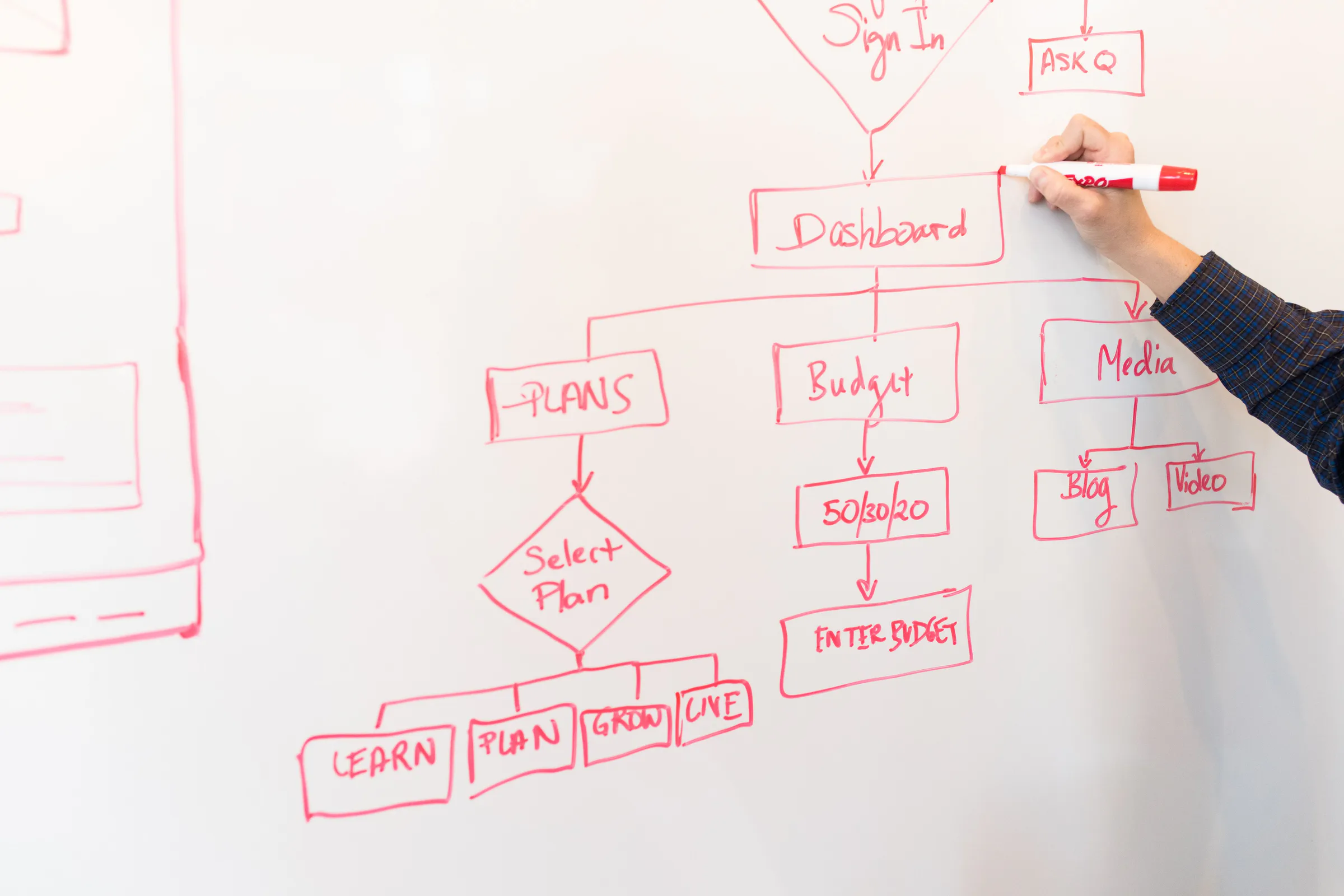
You receive
A mapped view
How work moves through the business today, drawn from watching it happen rather than from what the process document claims. Including the workarounds, because the workarounds are the real process.
Service · 01

Operational assessment
An operational assessment shows how work actually moves through a business. Epoch Point Advisory traces the real path of the work, including the handoffs and undocumented workarounds, then names the structural constraint limiting throughput and shows the evidence behind it.
The important distinction is that the work starts with the business that exists, not a pre-set checklist. It makes the informal steps visible, then shows whether the right next move is process design, a targeted change, or making the business less dependent on its owner. The National Institute of Standards and Technology reports that its Manufacturing Extension Partnership has worked with 77,409 manufacturers since 2000, generating 26.2 billion dollars in client-reported cost savings.
Deliverables
Epoch Point Advisory hands over a current-state process map, a named operational constraint with its evidence, and a remediation plan that states what to fix, in what order, and who owns each move. Those three artifacts give the leadership team a shared basis for the next decision.
How work moves through the business today, drawn from watching it happen rather than from what the process document claims. Including the workarounds, because the workarounds are the real process.

The structural bottleneck, stated plainly, with the evidence behind it. This is what stops it being one person’s opinion in a meeting and starts it being a decision the leadership team can make.

What to fix, in what order, and who owns each piece. A sequence, not twelve simultaneous initiatives that a team already at capacity cannot absorb.
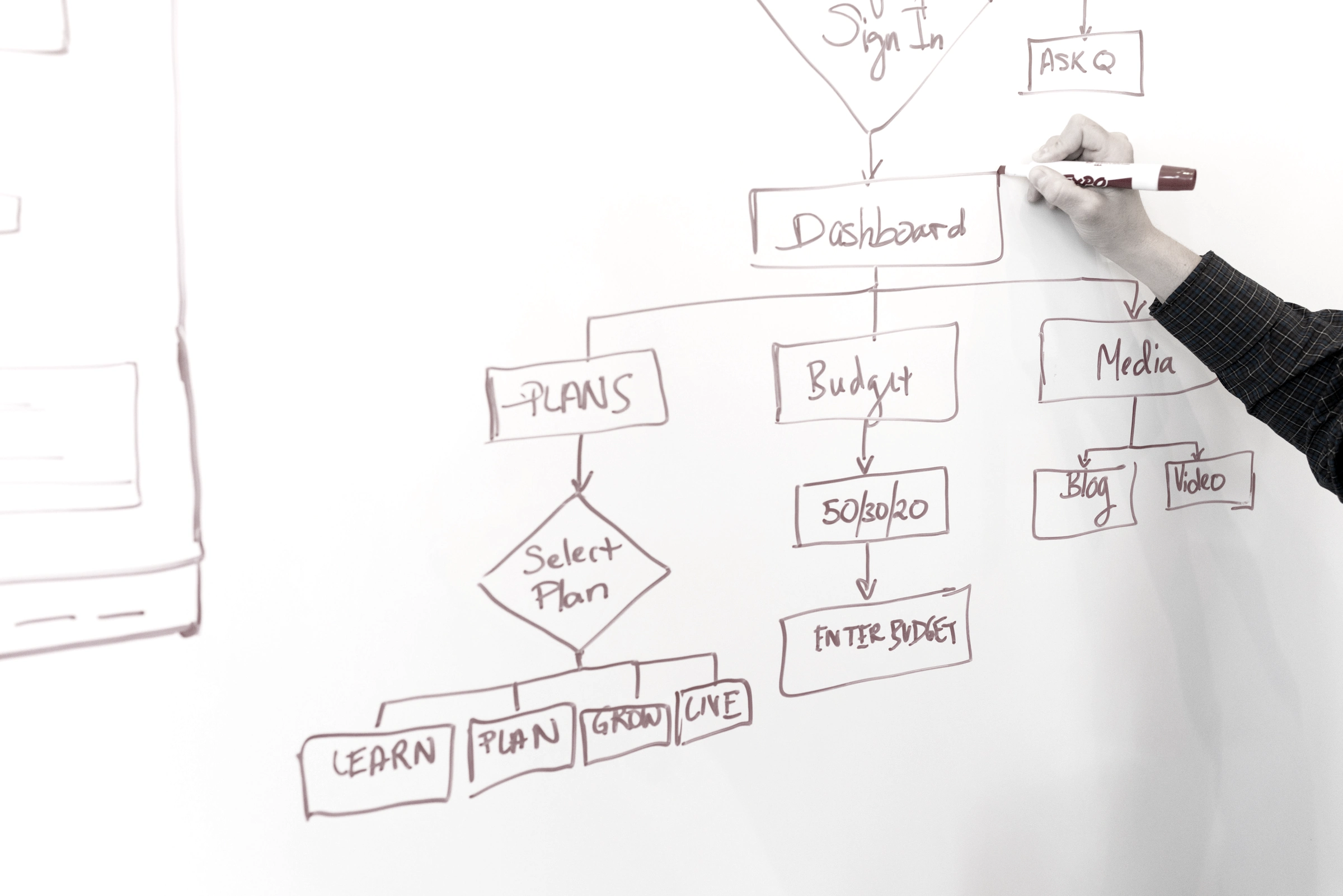
Mapped from the work as it happens
How it runs
Epoch Point Advisory keeps the demand on the team light by observing work as it happens, not assigning homework. The assessment is scheduled around the operating day, and no one is asked to produce documentation or reconstruct a process from memory before the work begins.
What that means practically: the scheduling works around the operating day, and the disruption is small. Cost follows the same shape. The work is split into phases that do not depend on each other, so a business can buy the first one and stop, and the first one can be as short as a week. The full method is described on the approach page, and if you would rather just talk it through, start a conversation.
Common questions
An operational assessment is a bounded piece of work with a defined end, not the start of an open commitment. Epoch Point Advisory observes how the work actually runs, then hands over three things: a mapped view of how work moves, the named constraint with its evidence, and a remediation plan with sequence and owners.
Scope drives duration. A single department or one workflow runs in a matter of weeks; a whole-business review takes longer because more of the work has to be observed rather than described. Epoch Point Advisory sets the timeline with you before starting, and the assessment has a defined end.
Cost tracks scope, and Epoch Point Advisory quotes a specific number after the first conversation, before any work begins. Engagements are split into phases that do not depend on each other, so the spend is staged rather than handed over as a single five-figure bill inside one quarter. Some run a week.
Epoch Point Advisory keeps the demand on the team light by observing work as it happens, not assigning homework. The assessment is scheduled around the operating day, and no one is asked to produce documentation or reconstruct a process from memory before the work begins.
The first conversation identifies the workflow to observe, the people involved, and the operating evidence the assessment needs to capture.