
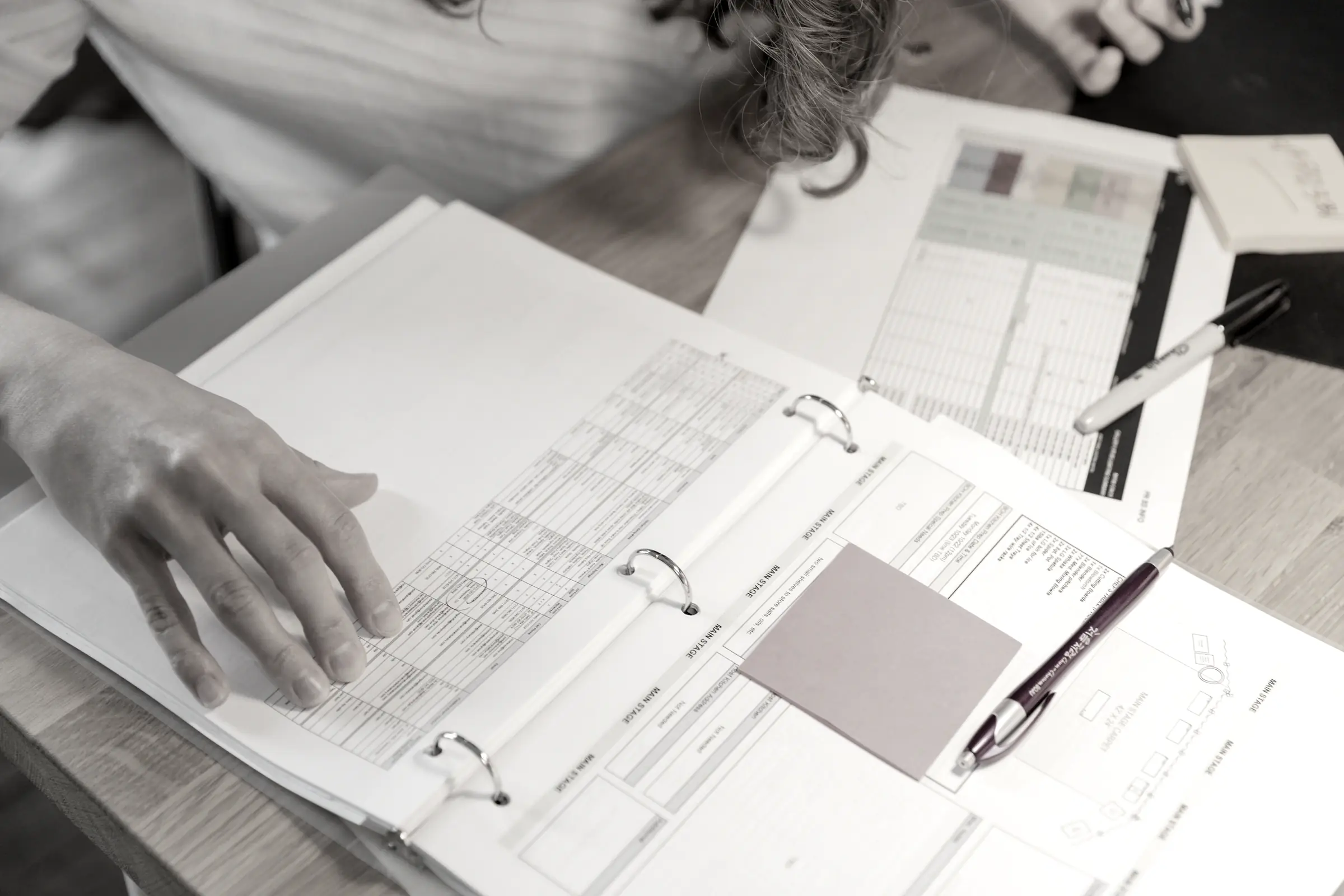
Why they went stale
Why did our last set of SOPs go stale?
Most SOPs describe how work is supposed to happen rather than how it does. The moment reality diverges, the document is wrong, and people stop opening it. Epoch Point Advisory documents the actual process first, fixes what is broken in it, and then writes the procedure against the corrected version.
There is a sequencing rule underneath that. Documentation is the last step, not the first. Writing a procedure for a broken process just makes the breakage official, which is why SOP development at Epoch Point always follows an assessment and a design pass. Even ISO 9001:2015 takes this position: clause 7.5 requires an organization to maintain the documented information it determines is necessary for the system to work, and deliberately leaves the extent of it to the organization rather than prescribing a format.
What this is not
Why is a template not the hard part?
There is no shortage of SOP templates, and the format was never the hard part. The hard part is discovering what the work really involves when the person doing it has made the same decisions so often that they no longer notice them.
That observation is the service. It is why the procedures survive the operating day, and why they can work across the industries Epoch Point Advisory serves without asking people to pretend the work is simpler than it is.

Written for the person doing the work
The order that works
What has to happen before an SOP is written?
Epoch Point Advisory observes the work, corrects the process where it breaks, and then writes the procedure for the person doing it. Skipping any one of those steps turns the document into an instruction for a business that does not exist.
-
01
Observe the real process
Including the workarounds nobody wrote down, the informal approvals, and the step someone added three years ago that everyone now depends on.
-
02
Correct what is broken
A procedure that documents a broken handoff makes the breakage permanent. Fix the process, then describe it.
-
03
Write it for the person doing it
Step by step, in the language the role actually uses, at the level of detail a new hire needs on their second week rather than their second year.
Common questions
Questions about SOP development
A process map shows how work moves between roles at a high level. A standard operating procedure describes how one piece of that work is actually performed, step by step, by the person doing it. Epoch Point Advisory builds the map first, because a procedure without a map documents the wrong thing.
Epoch Point Advisory watches the work as it happens rather than asking the person to write it down. Observation catches the decisions and exceptions an experienced operator has stopped noticing they make, and the draft procedure goes back to that person for correction before anyone else is asked to follow it.
A template gives you a format, not a process. The hard part is not the document structure; it is discovering what the work really involves, including the workarounds nobody wrote down. Epoch Point Advisory does that discovery, which is why the resulting procedures survive contact with the operating day.
Document the process you actually run.
The first conversation identifies whether the procedure is missing or whether the process itself needs redesign before it can be documented.